
5 Warning Signs of a Bad Contractor You Can't Afford to Ignore

Introduction
Hiring a reliable contractor can make or break your home project. Whether it's a kitchen remodel, new roof, or full home addition, the right professional will bring your vision to life safely, efficiently, and within budget. The wrong one, however, can leave you with unfinished work, costly repairs, and months of unnecessary stress.
A bad contractor doesn't just impact your wallet - it affects your peace of mind. Hidden shortcuts, poor communication, and low-quality workmanship can quickly turn an exciting project into a financial and emotional nightmare.
By the end of this post, you'll know exactly what red flags to look for before signing any contract - helping you protect your investment, your home, and your sanity.
1. Lack of Proper Licensing and Insurance
When it comes to hiring someone to work on your home, licensing and insurance are two of the most important qualifications a contractor can have. These credentials aren't just paperwork - they're your protection against costly mistakes, unfinished projects, and legal headaches.
1. The Importance of Licensing

A licensed contractor has passed state or local exams that test their knowledge of building codes, safety practices, and trade standards. This ensures they're capable of performing quality work that meets inspection and regulatory requirements. Hiring a licensed contractor also gives you a clear avenue for accountability. If issues arise, you can contact the licensing board to file a complaint or request mediation - something you can't do with an unlicensed individual.
2. Proof of Insurance

Every professional contractor should carry liability insurance and, when applicable, workers' compensation. Liability insurance protects you if property damage or accidents occur during the project. Workers' compensation ensures that if someone is injured on the job, you aren't personally responsible for medical or legal costs. Before signing a contract, ask for proof of insurance. A reputable contractor won't hesitate to provide documentation.
3. The Consequences of Hiring an Unlicensed Contractor
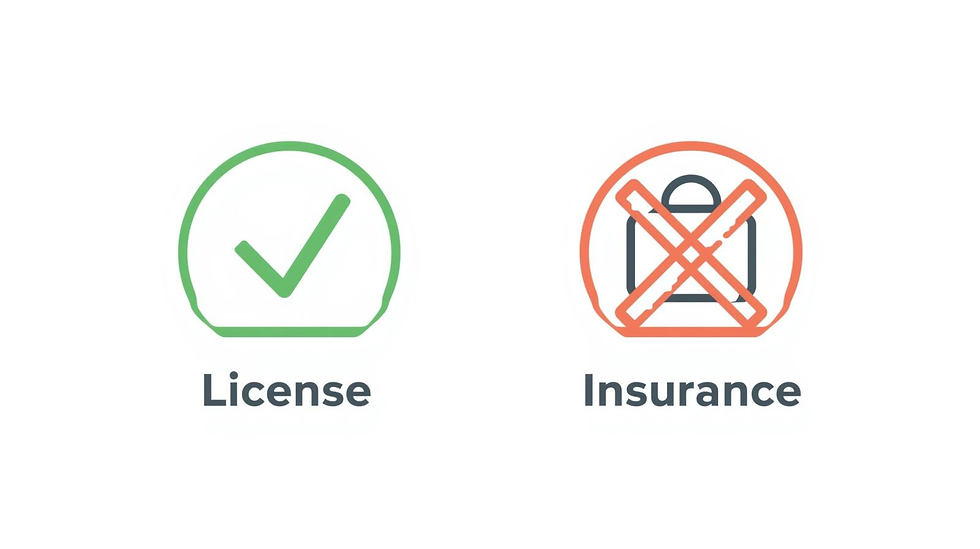
Choosing an unlicensed contractor may seem like a way to save money upfront - but it often leads to expensive, long-term problems. Without a license, there's no oversight to ensure the work meets code. That means your project might fail inspection, void your homeowner's insurance, or even make your home harder to sell later. If disputes arise, your legal options are limited since unlicensed contractors operate outside regulatory protection. In short, what seems like a deal can quickly turn into a disaster.
Bottom Line
Hiring a licensed and insured contractor isn't just a box to check - it's an investment in peace of mind. It protects your home, your finances, and your safety from start to finish.
2. Poor Communication Skills
Good communication isn't just a "nice-to-have" - it's a key indicator of a contractor's professionalism and reliability. Paying attention to how a contractor interacts with you from the start can save you frustration, delays, and unexpected costs down the line.
1. Initial Interaction: Responsiveness Matters
Your first conversations with a contractor set the tone for the entire project. Red flags include delayed responses, missed calls, or vague answers to your questions. A reputable contractor is responsive, punctual, and willing to answer your questions thoroughly.
Example: At Blue Cat Construction, we always return inquiries within 24 hours and provide clear next steps after the first consultation.
2. Clarity in Contracts: Avoid Vague Quotes
A contract should be detailed and easy to understand, clearly outlining the scope of work, materials, pricing, and timelines. Vague descriptions or unclear estimates are warning signs that the contractor may cut corners or change costs mid-project.
Tip: Ask contractors to break down each line item in the estimate and confirm what is included and excluded. This protects you and ensures accountability.
3. Ongoing Communication: Updates Throughout the Project

Even the most skilled contractor can create headaches if they don't keep you in the loop. Regular updates about progress, delays, or changes show professionalism and respect for your home and investment.
Example: On every Blue Cat Construction project, we provide daily updates with photos and progress reports, so homeowners always know exactly what's happening on-site. You have a personalized customer profile that allows you to check in on the progress, upcoming scheduled events, and all financial documents in one place.
Bottom Line
From the initial consultation to project completion, transparent communication is non-negotiable. Choosing a contractor who values responsiveness, clear contracts, and ongoing updates is one of the most effective ways to avoid costly mistakes and ensure your project goes smoothly.
3. Limited References or Bad Reviews
Hiring a contractor is a significant investment in your home. One of the best ways to ensure you're working with a trustworthy professional is to check their past performance through references and online reviews.
1. Requesting References: Hear From Previous Clients

A reliable contractor should be able to provide references from past projects, ideally similar in scope to yours. Speaking directly with previous clients allows you to ask about work quality, timeliness, professionalism, and how issues were handled.
Example: At Blue Cat Construction, we provide multiple references for every type of service we offer, so homeowners can confidently see our track record before hiring. If there is a service we haven't done, we hope to have you be our first one, or we will recommend someone good that has done it in support of other great contractors.
2. Online Reviews: A Window Into Contractor Reputation

Platforms like Google, Yelp, HomeAdvisor, and Facebook offer valuable insights into a contractor's consistency and professionalism. Look for patterns in reviews rather than focusing on a single negative comment. Consistently positive feedback across multiple platforms is a strong indicator of reliability.
3. Red Flags in Reviews: Spotting Trouble Early
While no contractor is perfect, certain patterns are warning signs:
Frequent mentions of missed deadlines or unexplained price increases
Complaints about poor communication or unprofessional behavior
Reports of unfinished work or refusal to honor warranties
Tip: Cross-check online reviews with references provided by the contractor to confirm authenticity and get a well-rounded picture of their performance.
Bottom Line
Verifying a contractor through references and online reviews protects your investment and ensures peace of mind. Taking the time to research past performance can prevent costly mistakes and help you choose a contractor who delivers quality work on time and on budget.
4. Unusually Low Bids
When comparing contractor estimates, it's tempting to choose the lowest bid - after all, who doesn't want to save money? But in construction, a significantly cheaper price often hides costly surprises down the road. Understanding what goes into a bid helps homeowners make informed, confident decisions and avoid being taken advantage of.
1. Understanding Estimates: What Low Bids Really Mean
If one contractor's price is far below the rest, it's worth asking why. A low bid may indicate:
Missing details or incomplete scope - meaning certain tasks will later result in surprise "change orders."
Unlicensed or uninsured labor that cuts overhead but increases homeowner liability.
No warranty or post-job support, which means you're on your own if something fails later.
Example: At Blue Cat Construction, our bids are structured to include every step of the process upfront, so homeowners know exactly what's included - and what's not - before work begins.
2. The Dangers of Cutting Corners

A low bid can sometimes signal cheap materials, rushed labor, or unqualified crews. These shortcuts may save money upfront but often lead to repairs, water damage, or structural failure within months or years. Choosing a contractor who values craftsmanship and safety ensures your home improvement lasts and remains code-compliant.
3. Comparative Analysis: Evaluating Contractor Bids Fairly
To ensure you're comparing apples to apples:
Review each scope of work line by line. Check what's included - demolition, permits, materials, cleanup, warranties, etc.
Ask about material brands and installation methods. Quality products and proper application matter.
Look for clarity, not complexity. A transparent contractor will walk you through every cost and explain why each line item matters.
Bottom Line
Price should never be the only deciding factor. A fair, detailed estimate from a reputable contractor ensures quality work, legal compliance, and peace of mind. Cheap work often costs the most in the end.
5. Pushy Sales Tactics
Choosing a contractor is a major decision - not one that should ever be rushed. Unfortunately, some contractors rely on high-pressure sales techniques or unrealistic promises to secure jobs quickly, often leaving homeowners feeling trapped or misled. Understanding these warning signs can help you stay in control of your project and protect your investment.
1. High-Pressure Sales Techniques: Don't Fall for Urgency Traps
If a contractor tells you that "the price is only good today" or insists you "sign now before their schedule fills up," it's a red flag. These urgency tactics are designed to prevent you from comparing bids or researching their credibility. A reputable contractor will:
Give you time to review the proposal without rushing you.
Encourage questions and offer clear explanations.
Respect that major projects require thoughtful consideration.
Example: At Blue Cat Construction, we'll never push you into a contract. We'd rather you take your time, feel confident in your decision, and fully understand your scope of work before moving forward.
2. Red Flags of Overpromising: When It Sounds Too Good to Be True
If a contractor claims they can deliver faster, cheaper, and better than everyone else - it's worth being skeptical. Promises of "half the price in half the time" often lead to cut corners, poor materials, or rushed jobs. True professionals understand that quality work takes time and proper planning.
3. Taking Your Time: The Value of an Informed Decision
You should never feel pressured into signing a contract you don't fully understand. Before agreeing to any work:
Review the full scope, payment schedule, and warranty details.
Verify licenses, insurance, and references.
Take a day (or two) to compare and think it through.
The best contractors build trust, not pressure. When a contractor gives you space to make an informed choice, it's often a sign they're confident in their reputation and workmanship - not just trying to make a quick sale.
Conclusion
Hiring a contractor is one of the biggest decisions a homeowner can make, and taking the time to do it right can save you from major financial and emotional stress down the road.
Let's recap the five major red flags to watch for:
Lack of Licensing or Insurance - Always verify these credentials before hiring.
Poor Communication - Contractors who are unresponsive early on will likely stay that way.
Bad Reviews or No References - Past clients' experiences tell you what to expect.
Unrealistically Low Bids - Quality work and proper materials come at a fair cost.
High-Pressure Tactics - The best professionals don't rush your decision.
At the end of the day, trust your instincts. If something feels off, it probably is. A reliable contractor won't just want your business - they'll want your trust. They'll walk you through each step, explain their process, and take pride in the final result.
When you choose the right contractor, you gain more than just a completed project - you gain peace of mind knowing your home is in capable, honest hands.


Comments